The bare root plant is one of the best-kept secrets in the gardening world. Bare root plants are woody trees and shrubs, herbaceous ornamental perennials, and even vegetables that are dug, stored, and sold while dormant. They are offered without soil or pots, with their roots exposed.
Bare Root Benefits
There are many benefits of going the bare root route instead of potted plant stock.
- Better value
- Larger selection
- Healthier plants
- Bigger root systems
- Easier planting
- Earlier planting
- Quicker establishment
- Faster growth
Bare root plants cost up to 50 percent less than the same size plant sold in a pot. There is substantially less labor involved in getting the product to market. Bare root plants are convenient for growers to store, lightweight for shipping, and do not require soil or containers. These savings are passed on to the consumer.
Bare Root Fruits
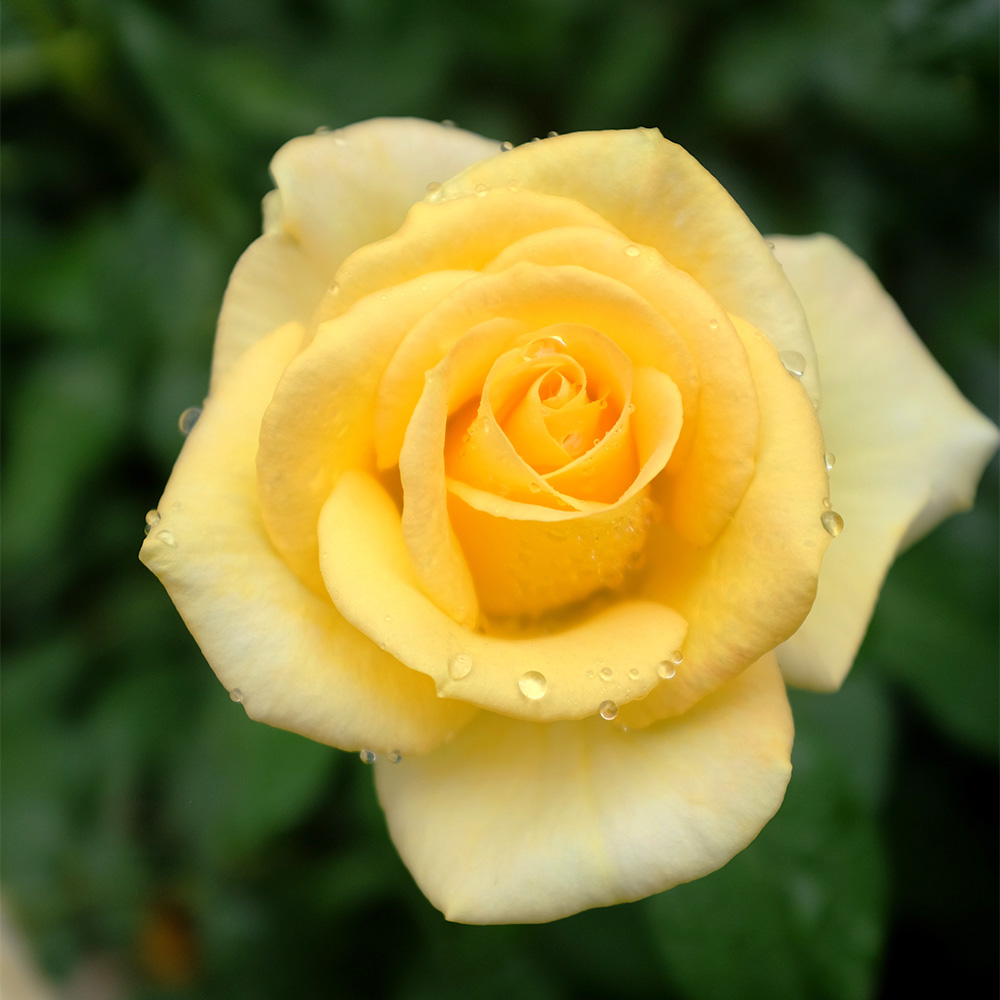
Many ornamental plants are sold bare root. Roses are an excellent example. Fruit trees and strawberries tend to be the two most popular edible plants offered this way.
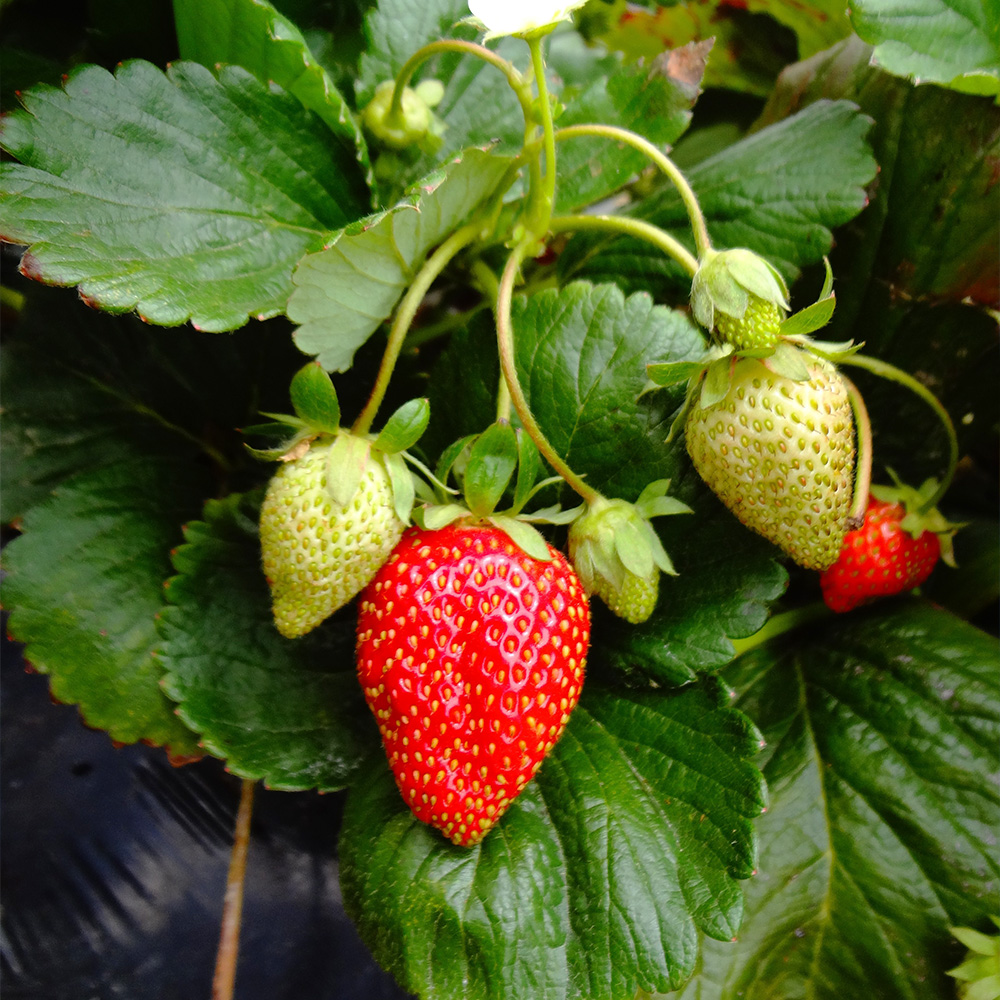
Strawberries
At first sight, bare root strawberry plants can look a little intimidating. Here are a few tips to help you feel confident.
- Bare root strawberries are available in early spring and should be planted as soon as possible after purchase.
- Examine plants to ensure foliage is intact and the root system looks healthy, with no mold or foul odors.
- Select a full sun location and prepare the site thoroughly by amending the soil with compost.
- Incorporate a well-balanced organic fertilizer following the recommended rate.
- Soak only the strawberry roots in fresh water for about 20 minutes before planting.
- Dig planting holes 18 inches apart and deep enough to accommodate the roots.
- Spread roots in the hole and backfill with soil, keeping the crown at soil level.
- Water immediately and deeply after planting.
- Mulch with straw or salt hay to retain moisture.
Fruit Trees
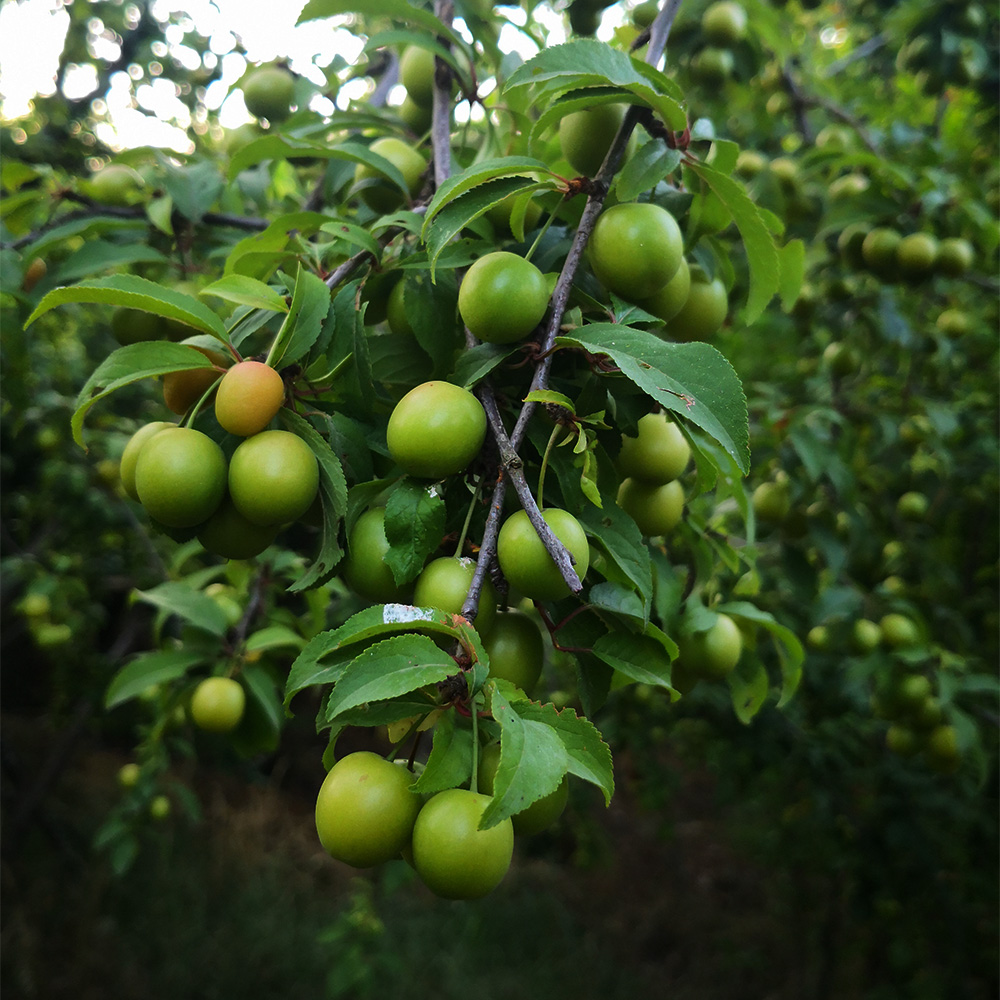
There is no more convenient or successful way to plant a fruit tree than bare root. Here’s how to do it.
- Bare root fruit trees are available in early spring and should be planted promptly after purchase.
- Store trees in a cool, dry place until planting.
- Choose a full sun location large enough for the tree to reach maturity.
- Unwrap the tree and gently untangle the roots.
- Soak roots in fresh water for 3 to 6 hours before planting.
- Dig a hole at least three feet wide and as deep as the tree was previously planted. Use the color change on the trunk as a guide. If grafted, keep the graft 2 inches above soil level.
- Mix excavated soil with compost and create a mound in the planting hole.
- Add an organic starter fertilizer following package directions.
- Place roots over the mound, spread evenly, and backfill with amended soil, gently firming to remove air pockets.
- Create a shallow soil basin around the tree to direct water to the roots and water deeply.
- Mulch to conserve moisture.
Be patient and enjoy the process. Whether planting strawberries or fruit trees, you will begin to see new growth within four to six weeks. Bare root planting is so simple and affordable that it may quickly become a favorite gardening method.