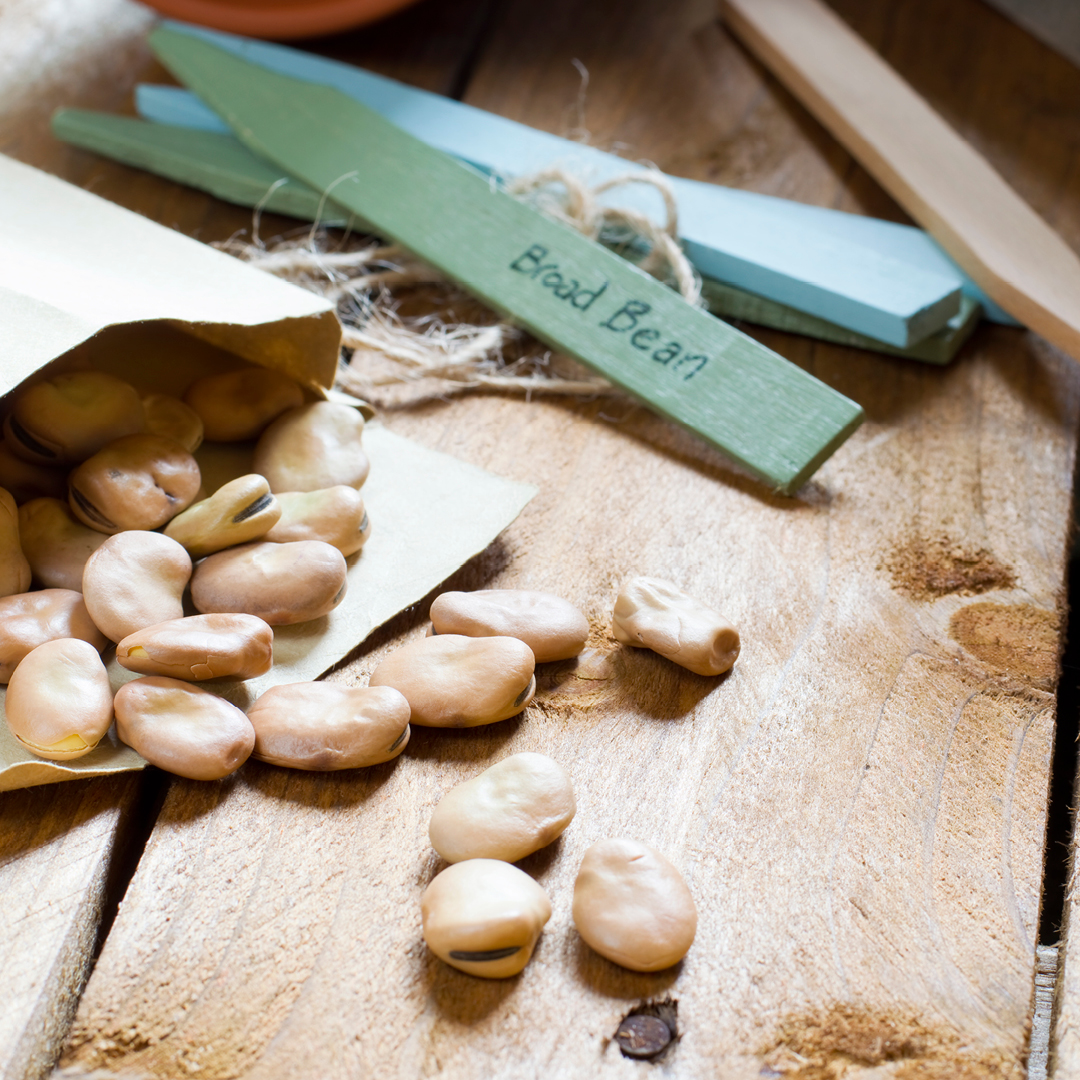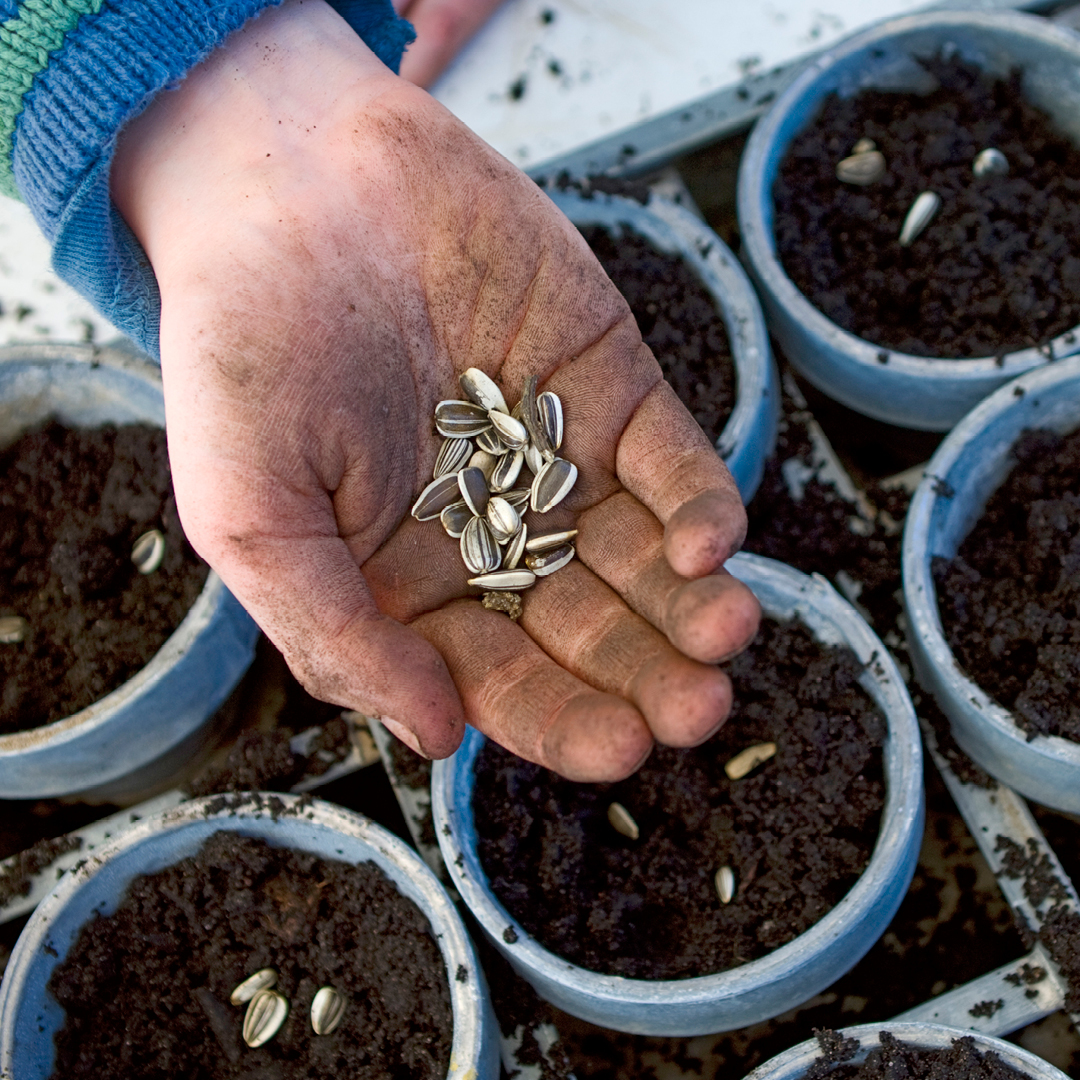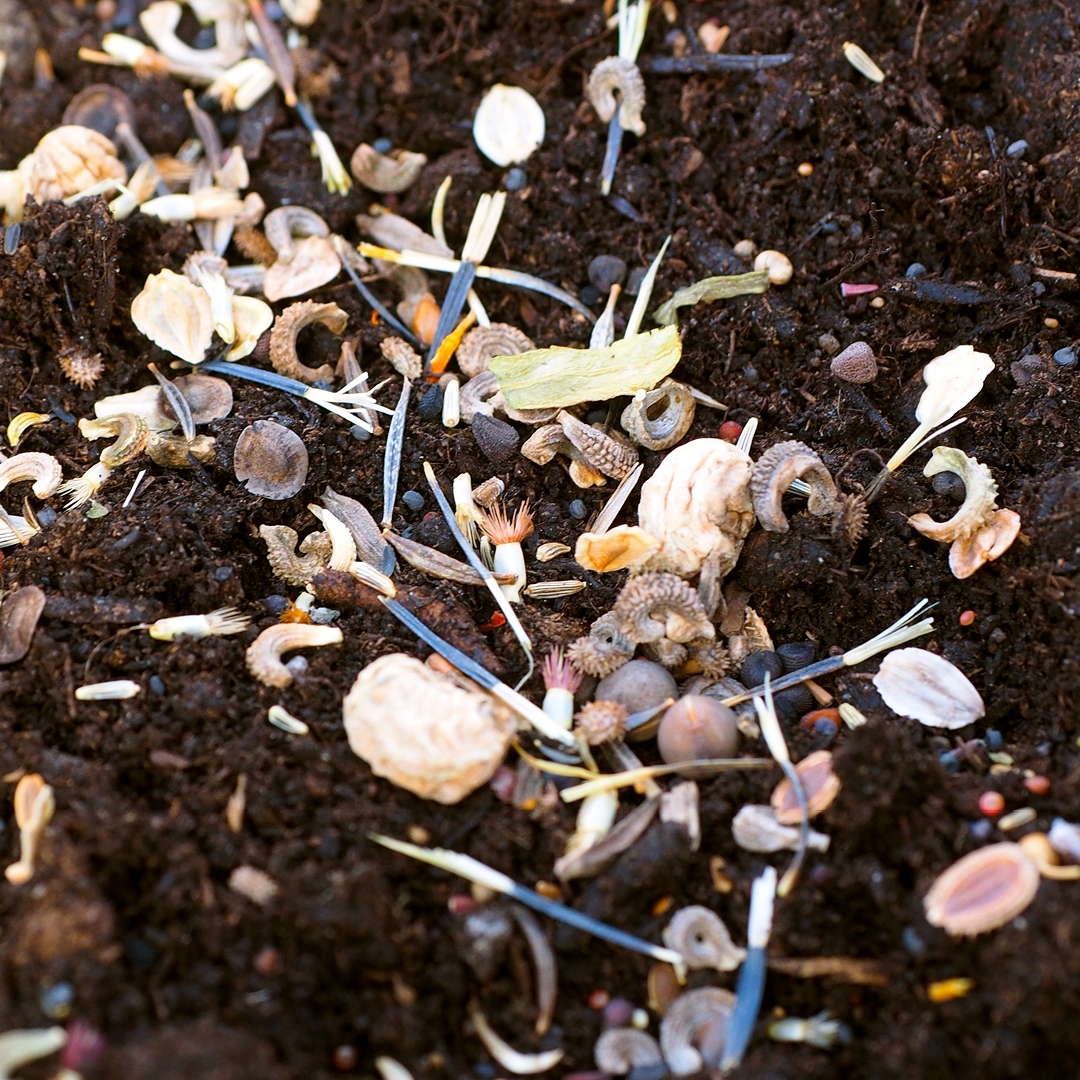
The perfect way to spend a cold winter’s day is commencing this year’s veggie, herb, and flower gardens. The gardening season begins in earnest in February with seed starting, and seed starting begins with an inventory of necessary supplies. To prepare for this endeavor, you will need:
- Seed-starting mix
- Containers (flats, peat pots, cell packs, etc.)
- Labels and markers
- Heat mats
- Grow lights
- Spray mister and watering can
- And, of course, seeds
If this is not your first seed-starting rodeo, you will already have a number of these supplies on hand and will just need to supplement your inventory where necessary.
But the seeds, what about the seeds? Can last year’s excess be used for this year’s plants? Let’s find out.
Leftover Seed
Don’t throw away leftover seeds. Most vegetable, herb, and flower seeds are viable for much longer than we may anticipate, especially when stored properly.
Instead, test the seeds to assess their viability. Here’s how:
- Dampen a paper towel.
- Place ten seeds, all from the same packet, on the paper towel.
- Gently fold the damp paper towel and slip it into a sealable plastic bag.
- Label the bag with the date and seed name.
- Place the bag in a warm area of the home out of direct sun.
- Check the seed packet or research germination time.
- Check seeds twice weekly until about one week past the recommended germination timeframe.
- Calculate germination rate based on how many seeds sprout.
- Decide whether to use or discard seeds based on your acceptable germination percentage. We recommend replacing seeds below 50 percent.
- Seeds pre-sprouted in paper towels may be planted in pots or cell packs and grown on.
Even under ideal storage conditions, seed viability declines each year. It is wise to test older seeds annually. The exception is seeds known to germinate only when fresh. These are generally not worth testing.
Seed Storage
Proper storage plays an important role in future seed viability. We recommend:
- Storing seeds in a cool, dark environment. A refrigerator works well; a cool basement is an alternative.
- Keeping storage temperatures consistent and avoiding wide fluctuations.
- Maintaining relative humidity below 40 percent by using sealed glass jars or plastic bags.
- Ensuring storage containers are varmint-proof.
Clearly label seed containers with the plant name, variety, purchase or storage date, and any other helpful notes.
Seed Viability Charts
Clear Creek Seeds (https://www.clearcreekseeds.com/seed-viability-chart/) offers an excellent seed viability chart, included here for easy reference.